The Science Behind HeartCare
Learn how HeartCare measures early markers in your blood to help detect signs of transplant injury or rejection—often before symptoms appear.
Medically reviewed by Dr. Jeremy Kobulnik, MD, MHSc
Last updated: September 8, 2026
Medically reviewed by Dr. Jeremy Kobulnik, MD, MHSc
Last updated: September 8, 2026

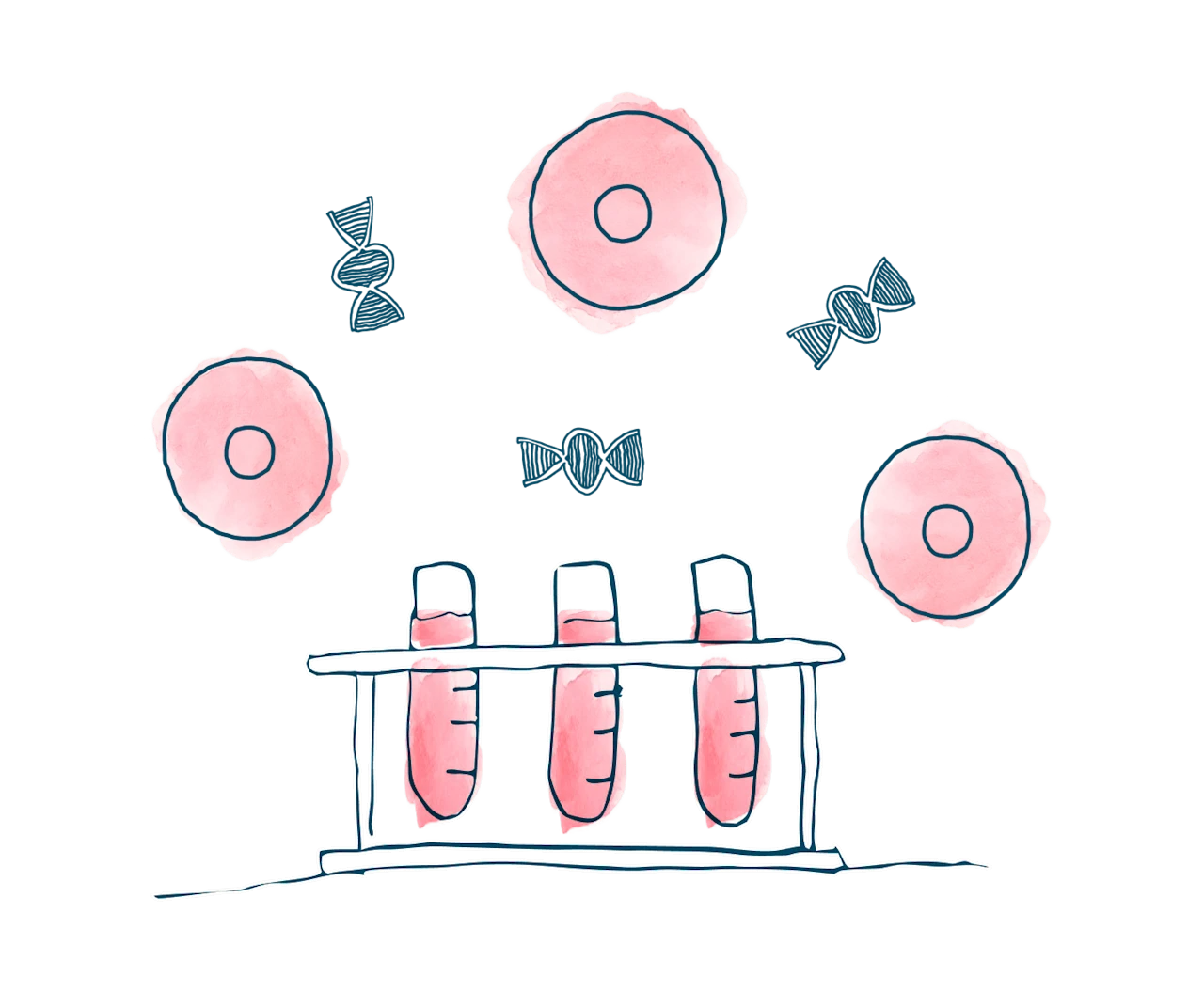
HeartCare combines two proven blood tests, AlloSure and AlloMap, that give your doctor a clearer picture of your transplant health and can provide an earlier warning if there is an issue.1
How HeartCare works
AlloMap measures the activity of genes involved in your immune system. If these genes are active and your immune system is under stress, it can be a sign of injury or rejection.
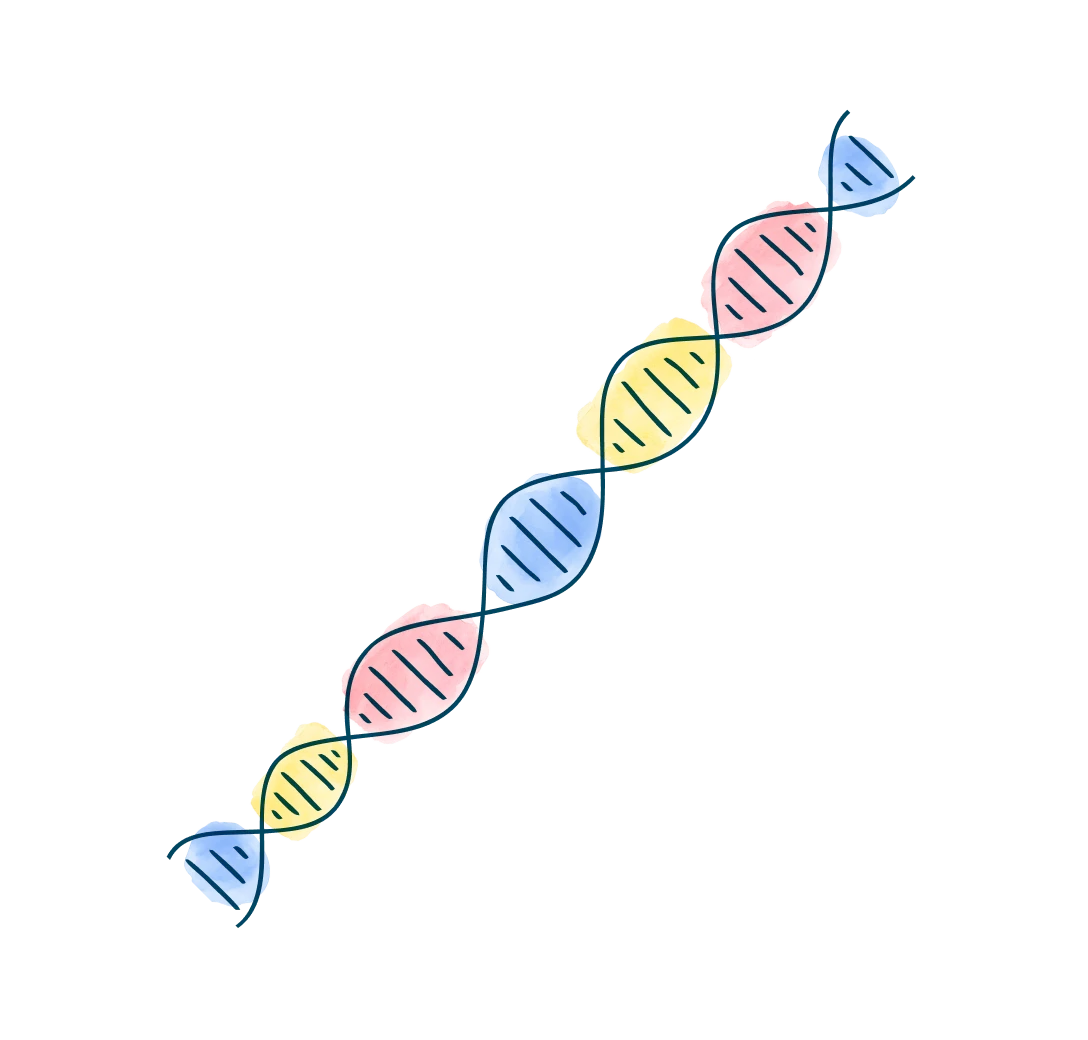
AlloSure works by looking at tiny fragments of DNA in your bloodstream. After a transplant, the donated heart releases its own DNA into your blood. These fragments are called donor-derived cell-free DNA, or dd-cfDNA. If your new heart is injured, it gives off more of its DNA into the bloodstream.
What HeartCare can tell your doctor
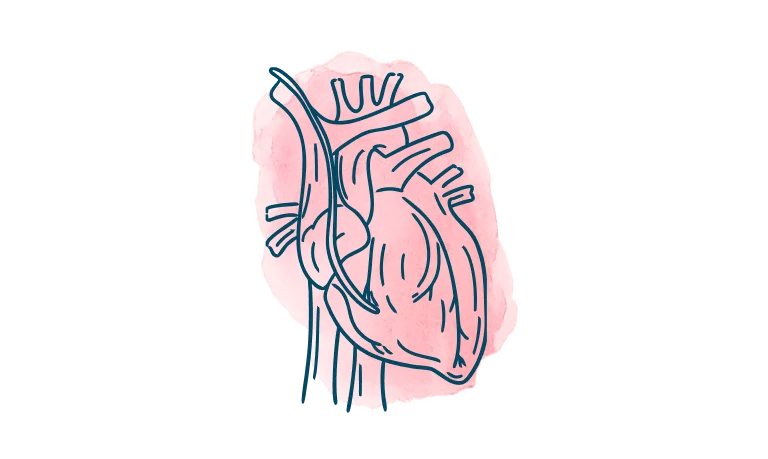
HeartCare may detect early signs of rejection or injury
AlloMap and AlloSure measure different signals to help detect possible heart injury or rejection sooner.1

HeartCare may help your doctor act sooner
Finding problems sooner may allow your doctor to take action to help your heart.1

HeartCare works alongside your routine care
With regular testing, your doctor can compare your HeartCare scores over time to help track the health of your heart.

Supporting transplant science
For more than 25 years, CareDx has supported transplant recipients and care teams at every stage of the journey—with transplant testing, patient support, specialized pharmacy services, and educational resources designed for the transplant experience.
Researchers continue to study new approaches to transplant medicine, including personalized transplant care and xenotransplantation (an experimental type of transplant where a genetically modified animal organ is transplanted into a human).

Key Takeaway
HeartCare measures two complementary signals—donor-derived cell-free DNA (dd-cfDNA) and gene expression profiling (GEP)—that may help identify possible signs of injury or rejection before symptoms appear.1,2 Through ongoing research and a deep commitment to transplant care, CareDx continues working to support transplant recipients at every stage of their journey.
Khush KK, Hall S, Kao A, et al. Surveillance with dual noninvasive testing for acute cellular rejection after heart transplantation: outcomes from the Surveillance HeartCare Outcomes Registry. J Heart Lung Transplant. 2024;43(9):1409–1421.
Teuteberg JJ, Uriel N, et al. Multimodal molecular testing provides prognostic value for heart transplant recipients. J Heart Lung Transplant. 2025.
CareDx is committed to providing scientifically supported educational content for transplant recipients and caregivers. All content is for educational purposes only and is not intended to serve as medical advice or replace guidance from your healthcare provider. Always seek the advice of your transplant team with any questions you may have regarding your specific medical condition.