The Science Behind AlloSure Lung
Learn how AlloSure Lung measures an early marker in your blood to help detect signs of transplant injury—often before symptoms appear.
Medically reviewed by Todd Grazia, MD
Last updated: September 8, 2026
Medically reviewed by Todd Grazia, MD
Last updated: September 8, 2026

AlloSure is a blood test. Signs of injury can show up earlier in the blood, giving your doctor an earlier warning that there could be problems with your transplanted lung.1
How AlloSure works
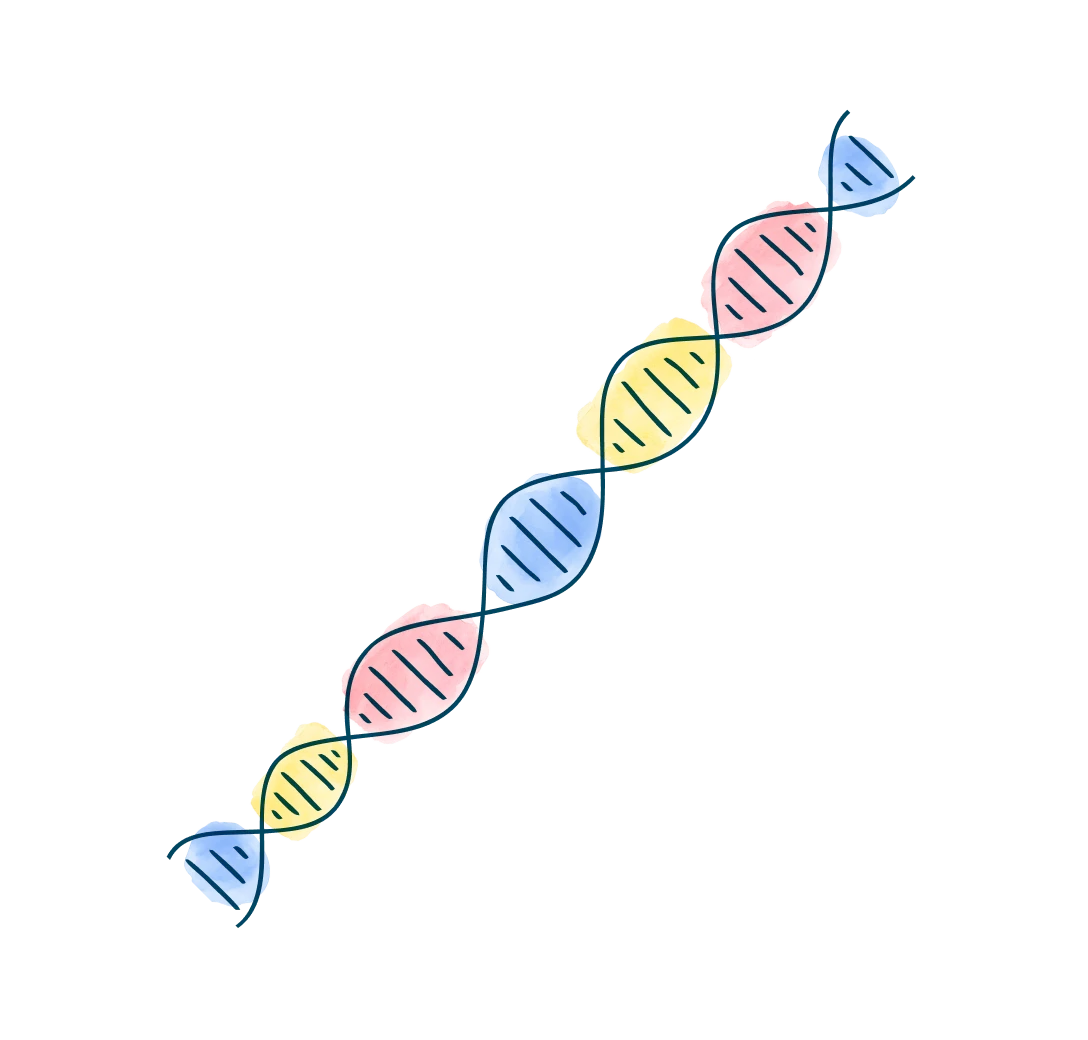
AlloSure works by looking at tiny fragments of DNA in your bloodstream. After a transplant, the donated lung releases its own DNA into your blood. These fragments are called donor-derived cell-free DNA, or dd-cfDNA.
When your transplanted lung is injured, it releases more of its DNA into the bloodstream. By tracking dd-cfDNA levels over time, AlloSure may detect early signs of injury—often before they show up in routine lab results or cause physical symptoms.1
What AlloSure can tell your doctor1
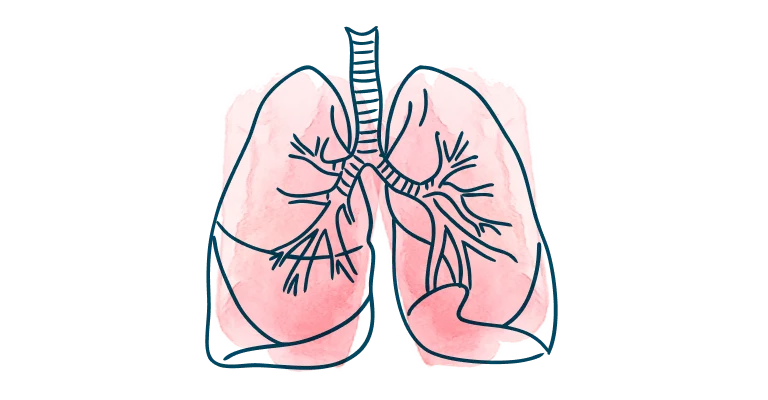
AlloSure may detect early signs of rejection or injury
AlloSure may detect early signs of transplant injury—often before they show up in routine lab results or cause physical symptoms. In one study, AlloSure identified signs of graft injury that would have otherwise been missed.1

AlloSure may help your doctor act sooner
When changes in AlloSure results appear, your doctor can investigate and take action sooner—potentially before a problem becomes more serious.

AlloSure works alongside your routine care
AlloSure is used alongside routine lab tests, bronchoscopy, pulmonary function tests, and other monitoring tools to give your care team a fuller picture of your transplant health over time.
Supporting transplant science
For more than 25 years, CareDx has supported transplant recipients and care teams at every stage of the journey—with transplant testing, patient support, specialized pharmacy services, and educational resources designed for the transplant experience.
Researchers continue to study new approaches to transplant medicine, including personalized transplant care and xenotransplantation (an experimental type of transplant where a genetically modified animal organ is transplanted into a human).

Key Takeaway
AlloSure Lung measures donor-derived cell-free DNA (dd-cfDNA) in the bloodstream, which may enable detection of transplant injury sooner than other methods—giving your doctor an earlier opportunity to act.1 Through ongoing research and a deep commitment to transplant care, CareDx continues working to support transplant recipients at every stage of their journey.
Keller MB, Sun J, Mutebi C, Shah P, Levine D, Aryal S, Iacono A, Timofte I, Mathew J, Varghese A, Ginder C, Agbor-Enoh S. Donor-derived cell-free DNA as a composite marker of Acute Lung Allograft Dysfunction in Clinical care. J Heart Lung Transplant. 2022.
CareDx is committed to providing scientifically supported educational content for transplant recipients and caregivers. All content is for educational purposes only and is not intended to serve as medical advice or replace guidance from your healthcare provider. Always seek the advice of your transplant team with any questions you may have regarding your specific medical condition.