How Transplant Surgery Works
Learn what happens before, during, and right after surgery so you can feel more prepared for transplant day.


Medically reviewed by Peale Chuang, MD, FASN
Last updated: September 8, 2026
Medically reviewed by Peale Chuang, MD, FASN
Last updated: September 8, 2026
There are two types of kidney transplant surgery
Doctors usually perform kidney transplant surgery using one of two approaches: open surgery or robotic surgery. Both approaches are common ways to safely perform kidney transplant surgery. Your surgeon will recommend the option that best fits your health needs and medical history.

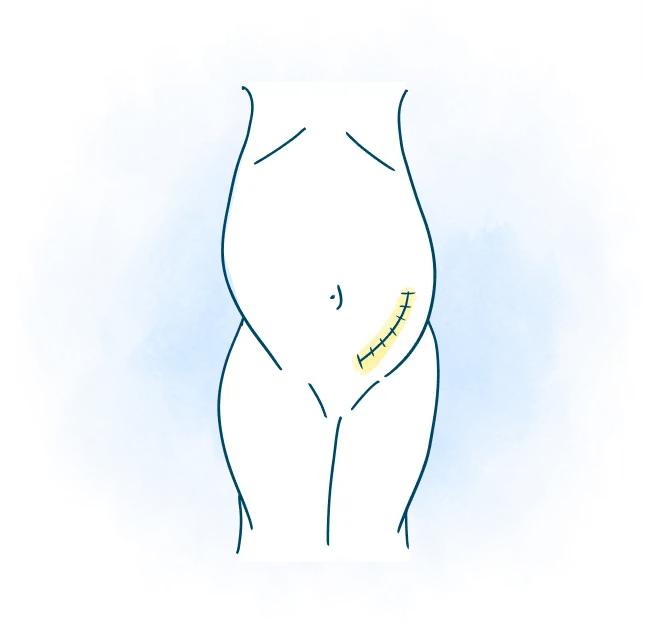
This is the most common way kidney transplant surgery is performed. The surgeon makes one larger cut to place the new kidney and make the needed connections.

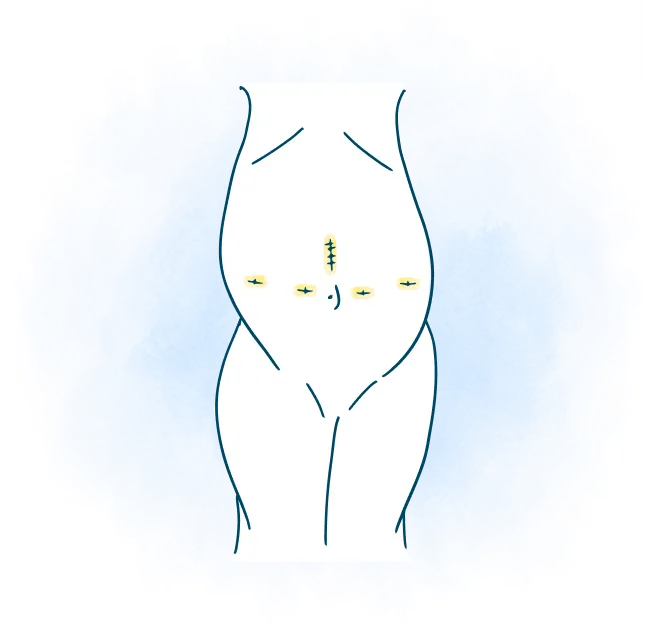
This is a newer way of doing kidney transplant surgery. The surgeon uses a special robot-like machine to perform the surgery through a few small cuts, along with a larger cut to place the new kidney. Not all transplant centers offer robotic surgery.
What kidney transplant surgery looks like—step-by-step

You get the call
If a deceased donor kidney becomes available, you will get a call to come to the hospital. If you are receiving a kidney from a living donor, you will usually know your surgery date and time ahead of time.

You arrive and get ready
When you arrive, your care team will do checks such as blood work, a chest X-ray, and heart tests (EKGs) to make sure you are healthy and ready for surgery. They will also review the procedure with you and ask you to sign a permission slip after explaining the risks and benefits.

Your donor kidney is prepared
A deceased donor kidney may arrive at the hospital in a special machine that helps protect it before surgery. For a living donor transplant, the donor kidney is usually removed in a nearby operating room shortly before your surgery begins.

Your surgery begins
You will be given general anesthesia, which keeps you fully asleep and prevents pain during surgery. The new kidney is usually placed in your lower belly. The surgeon then connects the kidney to a blood vein, a blood artery, and the ureter (the tube that carries pee to the bladder).

Your recovery starts
Most people stay in the hospital for a few days to recover and begin their new medicines. You may wake up with IV fluids and a bladder catheter (a thin tube that drains urine from the bladder), which is often removed after a few days.
3 helpful tips to make your hospital stay more comfortable:
After surgery, how many kidneys will I have?
Most often, your original kidneys stay in your body. This means many people have three kidneys after their transplant.
Sometimes doctors remove one or both original kidneys if there is a medical reason. One common reason is Polycystic Kidney Disease (PKD), which can make the kidneys large, painful, or take up too much space. Your care team will explain if kidney removal is recommended for you.

How long will the surgery take?
Kidney transplant surgery usually takes about 2 to 4 hours. Robotic surgery may take a little longer and can last about 3 to 5 hours.
This time can include getting anesthesia, placing IV lines, preparing for surgery, and waking up afterward. If surgery takes longer than expected, it does not always mean something is wrong. Your care team can explain what to expect for your specific surgery plan.
Related Content

Common questions during recovery
What to expect after transplant and how to manage medications, appointments, and daily life at home.

Recovery milestones after kidney transplant
Learn about recovery milestones and how your care team may monitor your progress.

Understanding kidney transplant rejection medications
Learn about anti-rejection medications, common side effects, and how to manage them in daily life.
CareDx is committed to providing scientifically supported educational content for transplant recipients and caregivers. All content is for educational purposes only and is not intended to serve as medical advice or replace guidance from your healthcare provider. Always seek the advice of your transplant team with any questions you may have regarding your specific medical condition.