Understanding Kidney Transplant Rejection Medications
A simple guide to kidney transplant anti-rejection medications, common side effects, medication timing, and long-term transplant care.

Medically reviewed by Shree H. Patel, PharmD, BCPS
Last updated: September 8, 2026
Medically reviewed by Shree H. Patel, PharmD, BCPS
Last updated: September 8, 2026

After a kidney transplant, your immune system may see the new kidney as something foreign and try to attack it. This is called rejection. Kidney transplant anti-rejection medications, also called immunosuppressants, are the main tools used to help stop this attack, protect your new kidney, and support healthy kidney function. Below, learn how these medications work, why timing matters, and how to manage them in daily life.
How anti-rejection medications work
Kidney transplant anti-rejection medications work by regulating your immune system so it is less likely to harm the new kidney. Your care team works to find the right balance—enough medication to prevent rejection, but not so much that it may cause harm to your body.
Your care team will regularly monitor your medication levels and adjust your dose when needed. Because your body can continue to see the kidney as foreign, these medicines are usually needed for as long as your transplant is in your body.


Making medications part of your routine
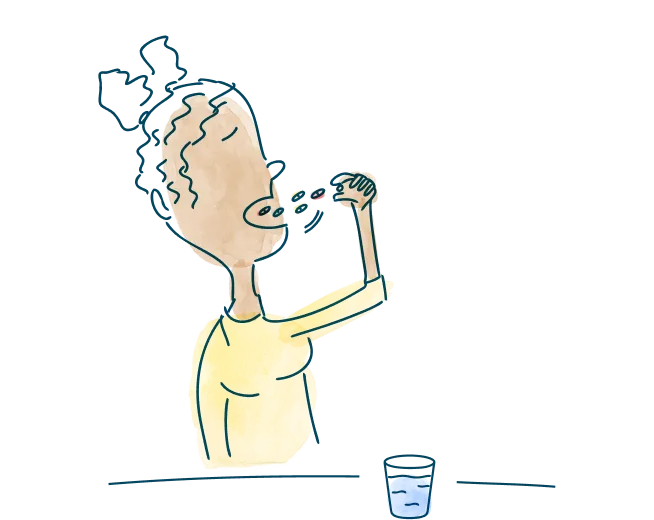
Taking your medications as prescribed is one of the most important ways to help prevent rejection and protect your new kidney. Building a daily routine can make anti-rejection meds after kidney transplant easier to manage over time.
Here are some helpful ways to stay on track:
Your care team will also watch for side effects of anti-rejection drugs for kidney transplant, which can include: a higher risk of infection, skin damage from the sun, high blood pressure, or new-onset diabetes (changes in blood sugar).
Never stop, skip, or change your medication without speaking with your care team first. You may also be asked to avoid people with active infections and follow sun safety habits while taking these medications. For more information on precautions you may need to take, your care team or pharmacist can help.

What to remember about your medications
Your transplant medications are a daily part of protecting your new kidney. Keeping these key points in mind can help you stay safe, informed, and on track.

Early treatment matters
If rejection is found early, doctors may be able to treat it quickly. In some cases, changes to your anti-rejection medication dose may help.

Consistency matters
Most kidney transplant rejection medications are taken once or twice a day, at the same time each day.

Sun safety matters
Some anti-rejection medications can raise your risk of skin damage from the sun. Always follow the sun safety steps recommended by your care team.

Food and drug interactions matter
Some foods, supplements, and medications can change how your kidney transplant rejection drugs work. Always check with your pharmacist before starting anything new.

Support matters
If you have any questions about how to take your medicines, side effects, or cost concerns, reach out to your pharmacist or transplant team.

Taking your medications exactly as prescribed is one of the most important ways to protect your new kidney. If side effects or daily routines become challenging, your care team can help adjust your plan to better support you in your everyday life.
Stories and perspectives from transplant patients
The views expressed are those of the patient based on their individual experience. Experiences and outcomes may vary from person to person.
Related Content

Understanding kidney transplant rejection
Understand what transplant rejection means and how monitoring and treatment can help protect your new kidney.

How your kidney is monitored after transplant
Understand how regular testing helps your care team monitor kidney function and look for early signs of injury or rejection.

Common questions during recovery
What to expect after transplant and how to manage medications, appointments, and daily life at home.
CareDx is committed to providing scientifically supported educational content for transplant recipients and caregivers. All content is for educational purposes only and is not intended to serve as medical advice or replace guidance from your healthcare provider. Always seek the advice of your transplant team with any questions you may have regarding your specific medical condition.