Understanding Kidney Transplant Rejection
Learn what kidney transplant rejection means, why it can happen, and how monitoring and treatment can help protect your new kidney.
Medically reviewed by Peale Chuang, MD, FASN
Last updated: September 8, 2026
Medically reviewed by Peale Chuang, MD, FASN
Last updated: September 8, 2026

Understanding kidney transplant rejection is an important part of protecting your transplant long-term.1,2 Receiving a kidney transplant is a life-changing milestone, but care continues long after surgery through lifelong monitoring and taking steps to protect your transplant.1,2 While the word rejection can sound frightening, it is often a manageable immune response—not a sign that the kidney has failed—and understanding it is the first step toward protecting your kidney.
What Are the Causes of Kidney Transplant Rejection?3–6
Your immune system has a natural identification system that is designed to protect your body from germs and anything it sees as harmful. All body cells carry a special biological signature, known as proteins or antigens, that help your body tell what belongs to you and what does not.
A transplanted kidney comes from a donor, so its cells carry the donor’s signature rather than your own. Because of this difference, your immune system may recognize the new kidney as foreign and respond as if it were a threat.
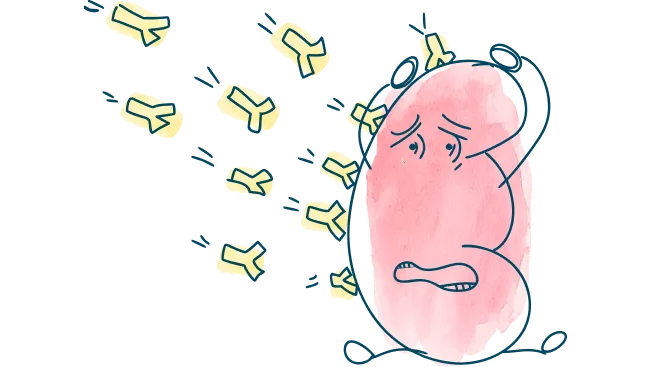
When this happens, the body can activate immune defenses, including T-cells (a type of white blood cell that protects your body from infections) and antibodies that may attack the transplanted kidney. This immune response can lead to kidney transplant rejection.

This is why you are prescribed anti-rejection (immunosuppressant) medications. These medicines help calm the immune system so it is less likely to harm your new kidney, but in some cases the immune system can still react despite treatment. While the word rejection can sound final, it can often be treated when found early through routine monitoring and follow-up care. Learn what happens during each stage of recovery.
What Are the Types of Kidney Transplant Rejection?
There are three main types of kidney transplant rejection: hyperacute, acute, and chronic. Each type can affect your transplanted kidney in different ways and may happen at different times after surgery. Understanding these types can help you work with your medical team to potentially lower risk, monitor your kidney closely, and help protect your long-term transplant health.
Hyperacute kidney transplant rejection happens when your body already has antibodies in the blood that react to the donor kidney. These antibodies can attack the transplanted kidney right away or within the first few hours after surgery.
Transplant teams do careful testing before surgery to look for these antibodies and help prevent a mismatch.

What Are the Risk Factors for Kidney Transplant Rejection?1,7–9
Several things can raise the risk of transplant kidney rejection:

Missing anti-rejection medications
One of the biggest risks is not taking anti-rejection (immunosuppressant) medications exactly as prescribed. Missing doses or stopping medicines can allow the immune system to target the new kidney.
Type of kidney transplant
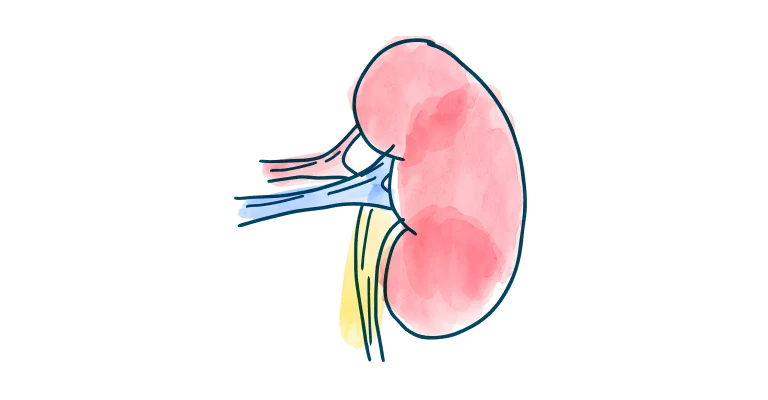
The type of transplant can also play a role. In general, kidneys from deceased donors may have a higher risk of rejection than kidneys from living donors. Certain infections can also place stress on the body and kidney, which may make rejection more likely.

Donor-recipient match
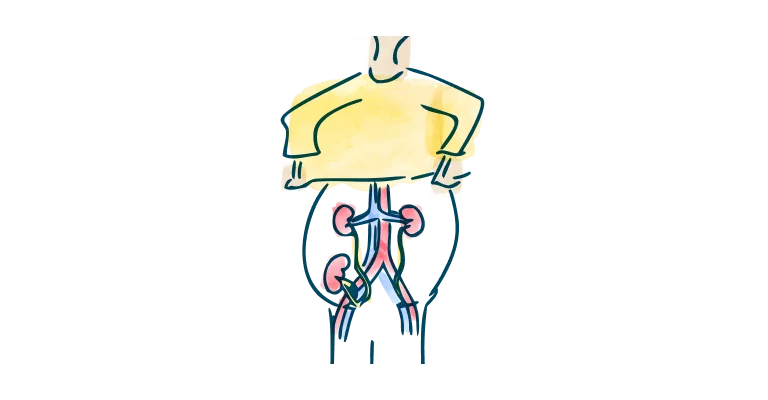
How closely the donor and recipient are matched can matter as well. HLA proteins help the immune system recognize which cells belong in the body and which are foreign. More HLA mismatches may increase the chance of rejection.
Previous kidney transplants
People who have had more than one kidney transplant may also have a higher risk of rejection. Rejection rates can also be higher in some groups, including Black patients and women. Your care team looks at many factors together to understand your personal risk and help protect your transplant.
What Are the Signs of Kidney Transplant Rejection?3,10
In many cases, kidney transplant rejection has no symptoms (asymptomatic) at first and may only be found through routine blood, urine, or monitoring tests before you notice any physical changes. This is why regular follow-up care is so important.
Some blood tests, including donor-derived cell-free DNA (dd-cfDNA) tests like AlloSure, may help detect early signs of transplant injury or rejection sooner, sometimes before symptoms appear.
When symptoms do happen, they may include:
Flu-like symptoms
Fever
Pain or tenderness near the transplant area
High blood pressure
Swelling or fluid buildup
Fast, unexplained weight gain
Urinating (peeing) less than usual
Pain when urinating

What Are the Tests for Kidney Transplant Rejection?1,2
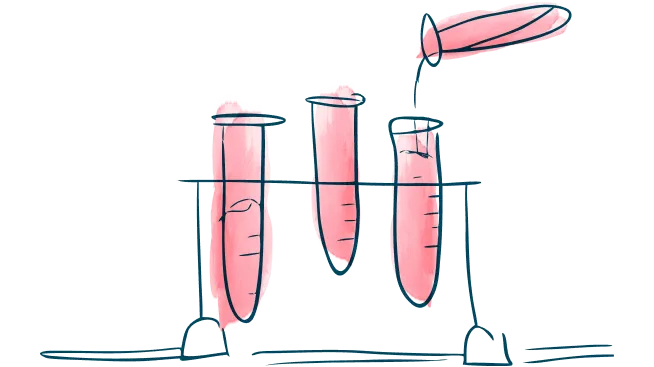
Doctors use a mix of matching tests, routine lab work, and newer blood tests to monitor the health of your transplanted kidney and look for early signs of rejection.
HLA typing is used before and after transplant to help check how well a donor and recipient match and to look for antibodies that may react against the donor kidney. Blood tests that measure creatinine are also used to see how well the kidney is working, although these tests may only signal a problem after the damage has started.
Donor-derived cell-free DNA (dd-cfDNA) tests like CareDx’s AlloSure may provide an earlier warning of transplant injury or rejection—sometimes up to 3 months before other methods. These tests measure how much DNA from your transplanted kidney is found in your bloodstream. When the new kidney is injured, more of this DNA can be released into the blood, which may signal a potential problem.
To get a better understanding of what’s going on and confirm rejection, doctors may recommend a kidney biopsy. This means taking a very small sample from the transplanted kidney with a needle and sending it to a lab to look for signs of rejection.
How it works | Pros | Considerations | |
|---|---|---|---|
HLA typing | Checks how closely the donor and recipient match and looks for antibodies that could react against the new kidney. | • Helps your care team understand rejection risk • Used before and after transplant | • Does not show whether the kidney is currently injured |
Serum creatinine | Measures waste levels in the blood to help show how well the kidney is filtering waste. | • Simple and commonly used • Quick and inexpensive | • Levels may not change until after kidney injury has already started • Baseline creatinine levels vary from person to person |
Kidney biopsy | Removes a small sample from the kidney to look for signs of rejection or injury under a microscope. | • Gives detailed information about kidney health • Can confirm rejection | • More invasive than a blood test • May cause discomfort or bleeding |
Donor-derived cell-free DNA (dd-cfDNA) testing (e.g., AlloSure) | Measures DNA from the transplanted kidney found in the bloodstream. Higher levels may be an early sign of injury or rejection. | • Simple blood test • May help detect early signs of injury or rejection before symptoms appear | • Usually used together with other tests |


What Are the Treatment Options for Kidney Transplant Rejection?3,11
Treatment for kidney transplant rejection depends on several factors, including the type of rejection, how severe it is, and your overall health. Your care team will create a treatment plan based on your specific needs.
Treatment can include adjusting your immunosuppressant medications or additional therapies depending on the type of rejection.
Many treatment plans use a combination of approaches to help protect the kidney and prevent further damage.
Commonly asked questions
The kidney transplant rejection rate has improved over time with better medicines and monitoring. Today, about 5% to 20% of people who receive a kidney transplant may experience acute rejection. In most cases, acute rejection can be treated, and complete loss of the transplanted kidney is uncommon.
Related Content

Transplant terms, explained
A simple guide to transplant terms, helping you understand your care, tests, and next steps.

How your kidney is monitored after transplant
Understand how regular testing helps your care team monitor kidney function and look for early signs of injury or rejection.

Recovery milestones after kidney transplant
Learn about recovery milestones and how your care team may monitor your progress.
Malhotra D, Jethwani P. Preventing rejection of the kidney transplant. J Clin Med. 2023 Sep 13;12(18):5938.
Bloom RD, Bromberg JS, Poggio ED, Bunnapradist S, Langone AJ, Sood P, et al. Cell-free DNA and active rejection in kidney allografts. J Am Soc Nephrol. 2017 Jul;28(7):2221-32.
Naik RH, Hassanein M, Shawar SH. Acute renal transplantation rejection. In: StatPearls. Treasure Island (FL): StatPearls Publishing; 2026.
Kidney rejection after transplant [Internet]. American Kidney Fund. 2021 [cited 2026 Apr 16]. Available from: https://www.kidneyfund.org/kidney-donation-and-transplant/life-after-transplant-rejection-prevention-and-healthy-tips/kidney-rejection-after-transplant
In brief: How does the immune system work? In: InformedHealth.org [Internet]. Institute for Quality and Efficiency in Health Care (IQWiG); 2023.
Rostaing LPE, Bohmig GA, Gibbons B, Taqi MM. Post-transplant surveillance and management of chronic active antibody-mediated rejection in renal transplant patients in Europe. Transpl Int. 2023 Jul 17;36:11381.
Sellares J, de Freitas DG, Mengel M, Reeve J, Einecke G, Sis B, et al. Understanding the causes of kidney transplant failure: the dominant role of antibody-mediated rejection and nonadherence: Attributing causes of kidney transplant loss. Am J Transplant. 2012 Feb 1;12(2):388-99.
Oweira H, Ramouz A, Ghamarnejad O, Khajeh E, Ali-Hasan-Al-Saegh S, Nikbakhsh R, et al. Risk factors of rejection in renal transplant recipients: A narrative review. J Clin Med. 2022 Mar 3;11(5):1392.
Mehta SG, Chang JH, Alhamad T, Bromberg JS, Hiller DJ, Grskovic M, et al. Repeat kidney transplant recipients with active rejection have elevated donor-derived cell-free DNA. Am J Transplant. 2019 May;19(5):1597-8.
Hassanein M, Elfadawy N, Kapp M, Augustine JJ. Chronic kidney transplant rejection. In: StatPearls. Treasure Island (FL): StatPearls Publishing; 2026.
Alasfar S, Kodali L, Schinstock CA. Current therapies in kidney transplant rejection. J Clin Med. 2023 Jul 27;12(15):4927.
CareDx is committed to providing scientifically supported educational content for transplant recipients and caregivers. All content is for educational purposes only and is not intended to serve as medical advice or replace guidance from your healthcare provider. Always seek the advice of your transplant team with any questions you may have regarding your specific medical condition.