What is HLA Typing?
A simple guide to how HLA testing works, how matching is measured, and why a perfect match is not always required.

Medically reviewed by Shree H. Patel, PharmD, BCPS
Last updated: September 8, 2026
Medically reviewed by Shree H. Patel, PharmD, BCPS
Last updated: September 8, 2026

HLA typing, or Human Leukocyte Antigen testing, is a blood test used to help identify a compatible kidney donor. It looks at unique proteins (known as antigens) on your cells to help predict how likely your body is to accept a donor kidney. HLA testing is an important step in the path to finding the best possible match for transplant.1
HLA typing, explained
What is HLA typing?
HLA typing is a genetic blood test that looks for certain proteins on your cells. These proteins help your immune system know which cells belong in your body, and which cells come from someone else.1 It is called “typing” because the test identifies your unique HLA type, or immune system pattern.
In an HLA blood test, a lab uses a sample of your blood to check these patterns and create your individual HLA profile. This helps the transplant team compare you with potential donors.
How matching works
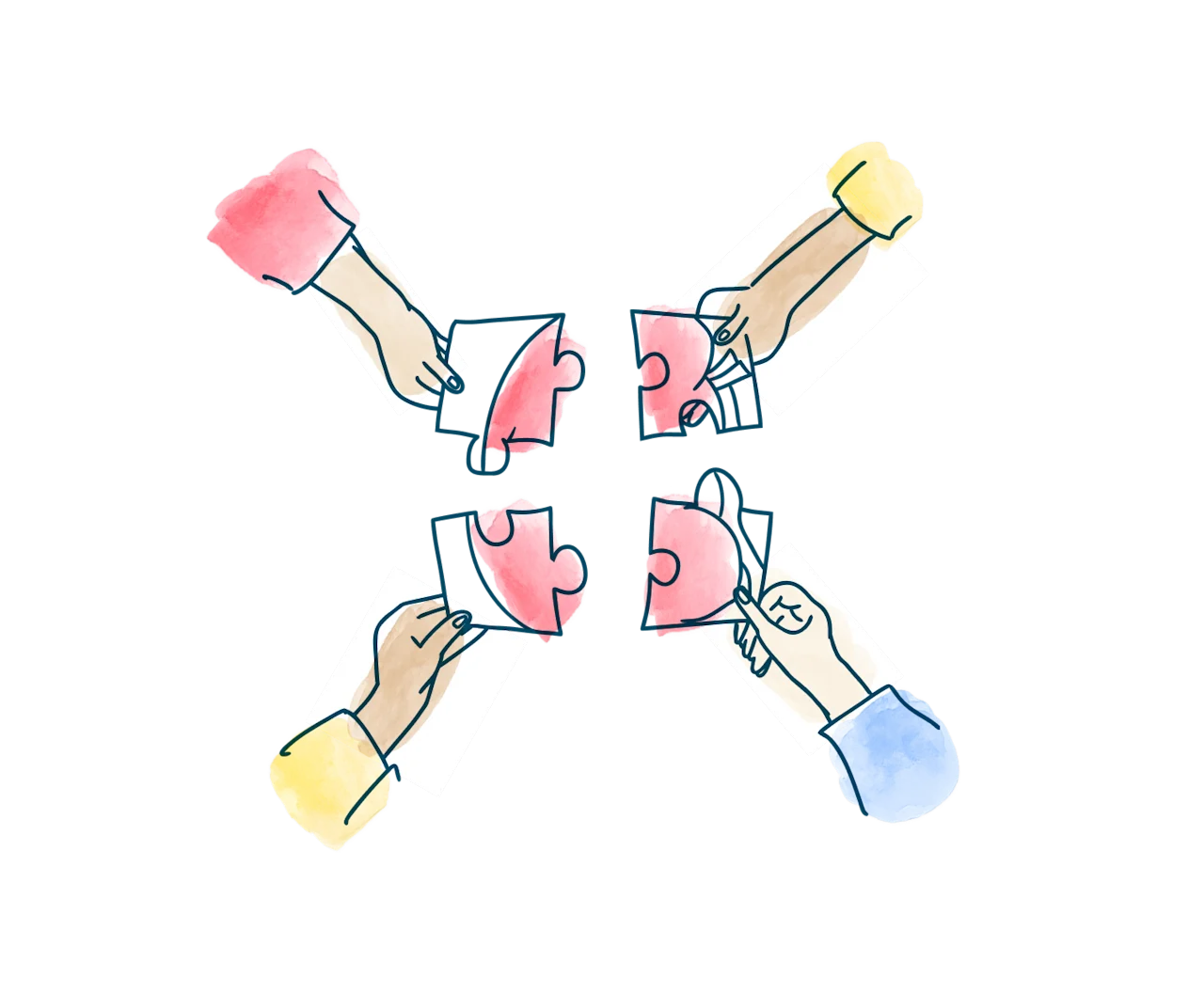
Matching is not a simple yes or no answer. There are different levels of compatibility between you and a donor. A close match means your proteins are more similar to the donor’s proteins.1
A perfect match can happen, but many successful transplants also happen when there are some differences. The goal is to find the best possible fit to help your transplant succeed.

Why HLA matching matters1,2
Finding a good HLA match can lower the chance of your body attacking the new kidney. When your HLA markers are more similar, your immune system may be less likely to see the kidney as a threat.
This is why HLA typing for transplant is an important step before surgery. It can help keep the new kidney healthier for longer and may also affect the type or amount of anti-rejection medicine you need after surgery.
What happens after HLA testing?
Once your HLA test is complete, your HLA test results are used to help find a donor that is a good fit for your body. Your transplant team looks at these results along with other important factors during the matching process.
While matching can feel complex, it is a normal and manageable part of preparing for transplant. These details help support a safer transplant and protect your new kidney over time.
Related Content

The path to a match
Understand kidney matching works, what to expect, and steps you can take toward transplant.

Know more, sooner: AlloSure Kidney
Learn how AlloSure Kidney works, what results may mean, and how CareDx supports kidney transplant recipients.

Understanding the transplant journey
CareDx provides transplant testing, patient support, and educational resources to help transplant recipients.
Montgomery RA, Tatapudi VS, Leffell MS, Zachary AA. HLA in transplantation. Nature Reviews Nephrology. 2018;14(9):558-570. doi:10.1038/s41581-018-0039-x.
Shi X, Lv J, Han W, Zhong X, Xie X, Su B, Ding J. What is the impact of human leukocyte antigen mismatching on graft survival and mortality in renal transplantation? A meta-analysis of 23 cohort studies involving 486,608 recipients. BMC Nephrology. 2018;19:116. doi:10.1186/s12882-018-0908-3.
CareDx is committed to providing scientifically supported educational content for transplant recipients and caregivers. All content is for educational purposes only and is not intended to serve as medical advice or replace guidance from your healthcare provider. Always seek the advice of your transplant team with any questions you may have regarding your specific medical condition.