Moving From the Transplant Center to Local Care
As you settle into life after transplant, your care team may evolve. Learn how your care teams work together to help protect your transplanted kidney over time.
Medically reviewed by Jessie J. Danforth RN, BSN
Last updated: September 8, 2026
Medically reviewed by Jessie J. Danforth RN, BSN
Last updated: September 8, 2026

Leaving the transplant center can feel like a big change, but it is a normal part of life after transplant. Understanding who manages different aspects of your care can help you feel prepared every step of the way.
Continuing care beyond the transplant center
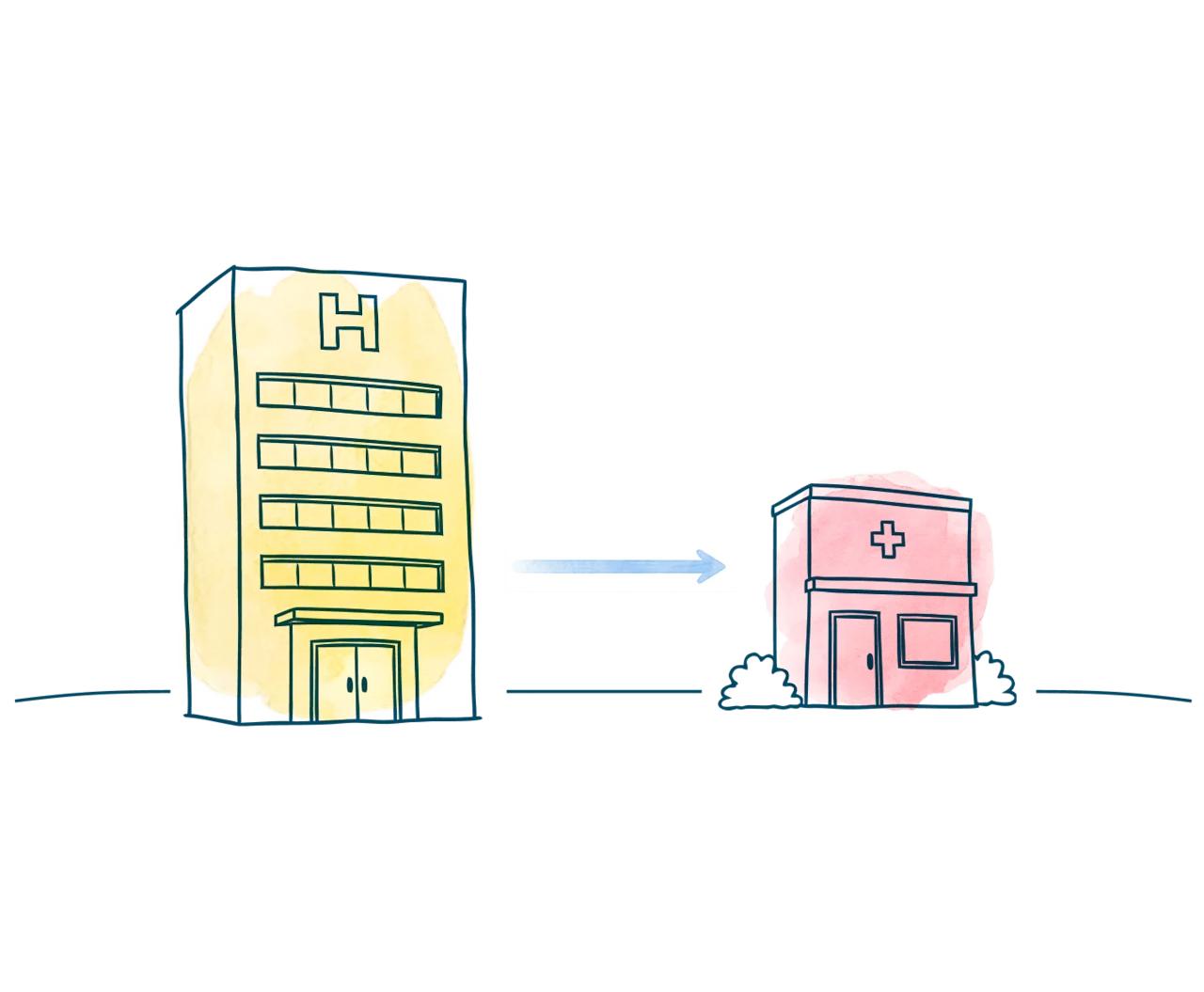
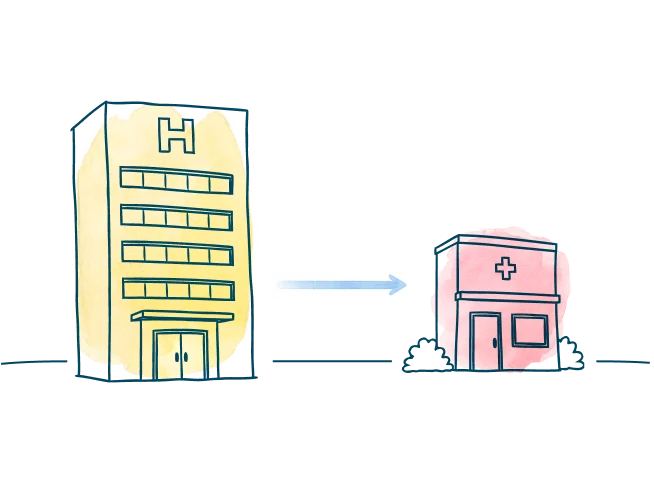
The transition from the transplant center to a local kidney doctor looks a little different for every patient. The timing depends on your recovery, your transplanted kidney's health, and your transplant center's approach to follow-up care.
It is normal to feel nervous about leaving the transplant center, especially after receiving such close support during the early stages of recovery. For many patients, however, this transition is a positive sign that their transplanted kidney is stable and recovery is progressing well.
Before your care transitions, the transplant center will typically share important information with your local kidney doctor, including:
Medical records including transplant history and baseline laboratory values
Recovery history and test results
Future care plans and monitoring recommendations
Although your day-to-day care may change, your transplant center and local care team continue to work together to help support your kidney health and long-term recovery.


Partnering with your local kidney doctor
Your local kidney doctor, also called a community nephrologist, will become an important partner in your ongoing care after transplant. They will typically handle routine checkups, regular lab work, and long-term monitoring of your kidney health.
Your care may also include specialized monitoring tests recommended by your transplant team, such as AlloSure Kidney. These tests may provide additional information about the health of your transplanted kidney and support ongoing care decisions. Ask your transplant center about how often monitoring tests like AlloSure may be right for you—and make sure to review your monitoring plan with your local or community physician as well.
Learn how AlloSure Kidney helps monitor your transplanted kidney
As you establish care with your community nephrologist, consider bringing a care partner to your first appointment. Having an extra set of ears can help you keep track of important information, ask questions, and feel more confident during the transition.
Clear communication is also important. Make sure your new care team has access to your medical records, medication list, and transplant history, and don't hesitate to ask questions about your care plan or monitoring schedule.
Preparing for the transition
Gather your care information
Ask your transplant center for:

Update your contacts
Make sure you have your contact information saved for your transplant coordinator and your local kidney doctor's office or clinic.
Ask your transplant care team who to contact for different questions, concerns or changes in your health—including who will be refilling your anti-rejection medications.
Confirm your lab schedule
Before your first appointment, confirm that your local kidney doctor has:

Transitioning to local kidney care is a normal step in the transplant journey for many patients. It often means your recovery has gone well and you are ready for the next phase of care—with both your transplant center and local care team continuing to support your kidney transplant over time.
Related Content
Returning to everyday activities
Discover how to safely return to everyday activities at a pace that feels right for you.

Emotional wellbeing after transplant
Explore common emotional experiences after transplant and learn where to find support when needed.

Common questions after transplant
What to expect long-term, including care routines, medications, lifestyle changes, and future planning.
CareDx is committed to providing scientifically supported educational content for transplant recipients and caregivers. All content is for educational purposes only and is not intended to serve as medical advice or replace guidance from your healthcare provider. Always seek the advice of your transplant team with any questions you may have regarding your specific medical condition.