What is Cell-Free DNA (cfDNA)? ¹⁻³
Learn how cell-free DNA (CfDNA) testing works and how donor-derived cell-free DNA (dd-cfDNA) may help support transplant monitoring.
Medically reviewed by Shree H. Patel, PharmD, BCPS
Last updated: September 8, 2026
Medically reviewed by Shree H. Patel, PharmD, BCPS
Last updated: September 8, 2026

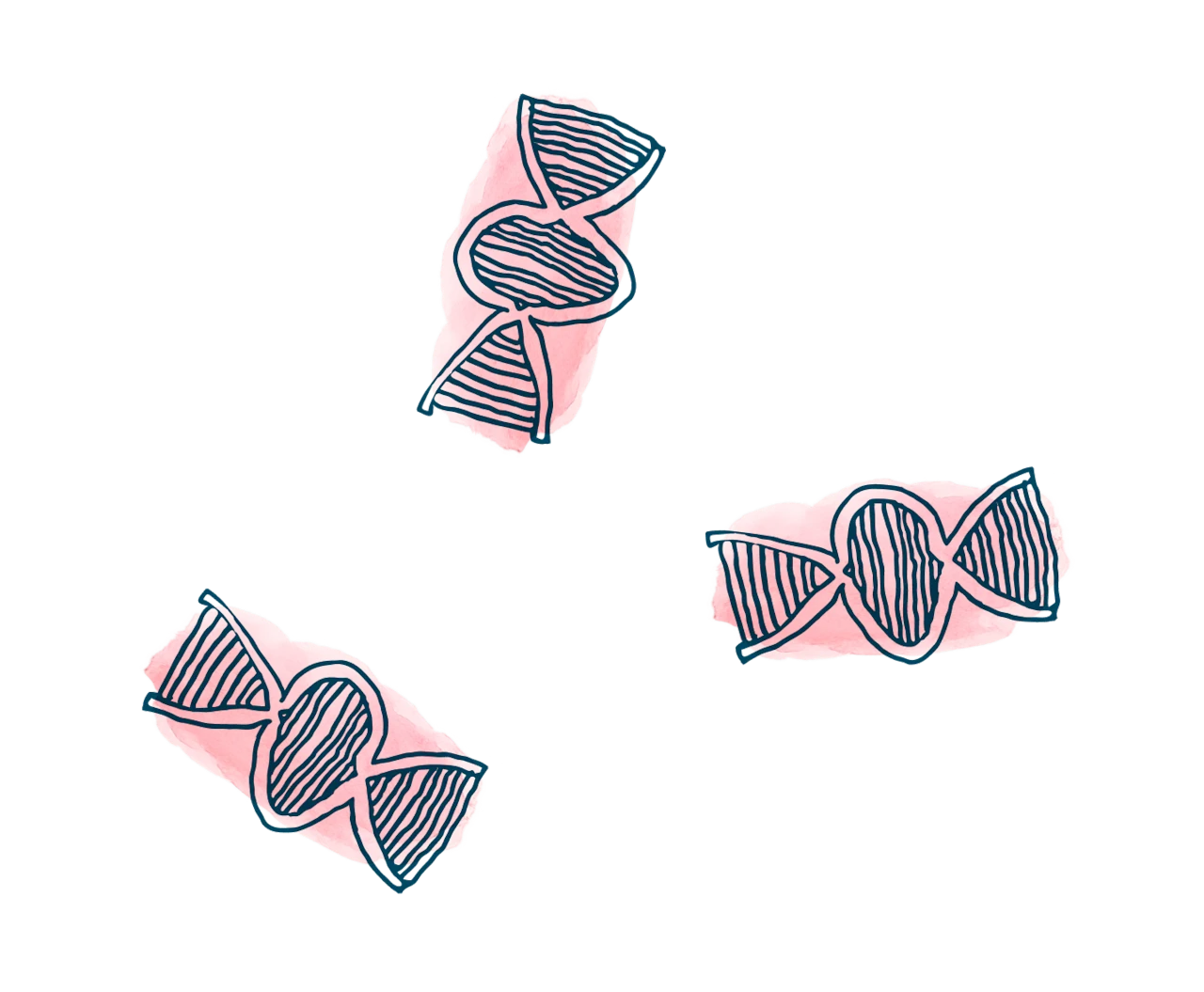
Cell-free DNA (cfDNA) consists of small pieces of DNA that circulate freely in the bloodstream. This happens naturally as the body removes old or damaged cells as part of normal maintenance and repair, and is not usually a cause for concern.
These DNA fragments act as biological messages that can provide important information about what is happening inside the body. Doctors use cfDNA testing to help guide care and monitoring for many conditions, including organ transplant.
Where does cell-free DNA come from?1–4
DNA is the genetic material found inside the body’s cells that helps tell each cell how to function. As part of the body’s normal maintenance process, old or damaged cells are constantly being broken down and replaced with new ones.
When these cells naturally break down, small pieces of their contents, including DNA, are released into the bloodstream. These freely circulating DNA fragments are known as cell-free DNA, or cfDNA.
What type of cell has free-floating DNA?4–6
Cell-free DNA (cfDNA) is not released by just one type of cell. Many different cells in the body can release cfDNA into the bloodstream. In healthy individuals, most cfDNA comes from blood cells, such as white blood cells, as part of the body’s normal process of removing old cells and replacing them with new ones.
CfDNA can also come from tissues that are injured or under stress, including the kidney. In certain medical conditions, such as cancer, pregnancy, or organ transplant, cfDNA may come from tumor cells, placental cells, or cells from a donated organ.
What does cell-free DNA mean for transplant recipients?7–10
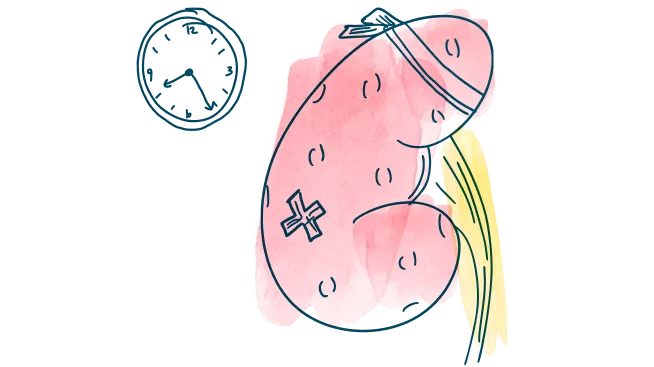
After an organ transplant, the donated organ can release cfDNA into the bloodstream. This is called donor-derived cell-free DNA (dd-cfDNA). When cells in the transplanted organ are injured or die, more donor DNA will be released into the blood. In kidney transplant recipients, higher dd-cfDNA levels may be a sign of transplant injury or rejection. Studies suggest that dd-cfDNA testing may help identify signs of rejection earlier than some other monitoring tools. Clinical studies also suggest that dd-cfDNA testing may help improve transplant monitoring and support decisions about when additional testing or biopsies may be appropriate.

What is cell-free DNA testing?2,9–13
DNA sequencing allows scientists to examine DNA closely to understand where it comes from and what information it contains. Advances in this technology have made cell-free DNA (cfDNA) testing an important tool in modern medicine.
CfDNA testing is a blood test that analyzes small DNA fragments circulating in the bloodstream. New DNA sequencing technologies now allow doctors to study these fragments and better understand certain health conditions.
By examining small genetic differences within the DNA, the test can help identify cfDNA linked to a transplanted organ. These genetic patterns are completely unique to the individual they belong to, acting like a molecular fingerprint.
For kidney transplant recipients, cfDNA testing can help doctors assess the risk of transplant rejection and support ongoing transplant monitoring.
Learn how AlloSure Kidney helps monitor your transplanted kidney
How does cell-free DNA testing work?9
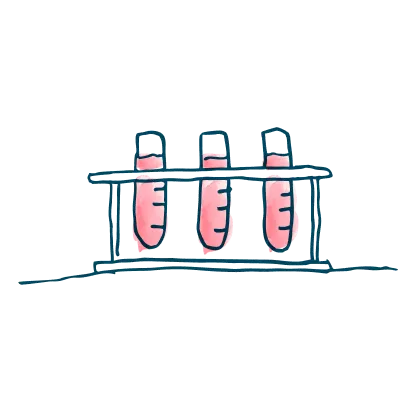
Cell-free DNA (cfDNA) testing is performed through a simple blood draw from the arm, similar to other routine lab tests. The blood sample is then sent to a laboratory, where advanced technology is used to examine millions of DNA fragments found in the bloodstream.
The lab uses DNA sequencing and molecular counting methods to identify specific DNA patterns and measure donor-derived cell-free DNA (dd-cfDNA) linked to a transplanted organ.
Learn more about CareDx's cfDNA test for kidney transplant called AlloSure
What Do Your Cell-Free DNA Testing Results Mean?10
Cell-free DNA test results can vary depending on the type of test performed and the condition being monitored. Different tests may use different result ranges and are designed for different medical purposes, for example, during pregnancy, cancer care, and organ transplant monitoring.
For kidney transplant patients, dd-cfDNA tests, such as AlloSure, can help detect early signs of transplant rejection or injury.
How Long Do Cell-Free DNA Test Results Take?7,14
The time it takes to receive cell-free DNA test results can vary depending on the laboratory and the type of test being performed. For kidney transplant monitoring with dd-cfDNA, some laboratories may have results available within 2-3 days after the sample arrives at the lab for processing. Shipping time may affect when the sample arrives.
These tests are commonly performed at regular intervals after a transplant as part of ongoing monitoring to help your care team look for possible signs of kidney injury or rejection, including changes that may appear before symptoms develop.
Related Content

Know more, sooner: AlloSure Kidney
Learn how AlloSure Kidney works, what results may mean, and how CareDx supports kidney transplant recipients.
Understanding kidney transplant rejection
Understand what transplant rejection means and how monitoring and treatment can help protect your new kidney.
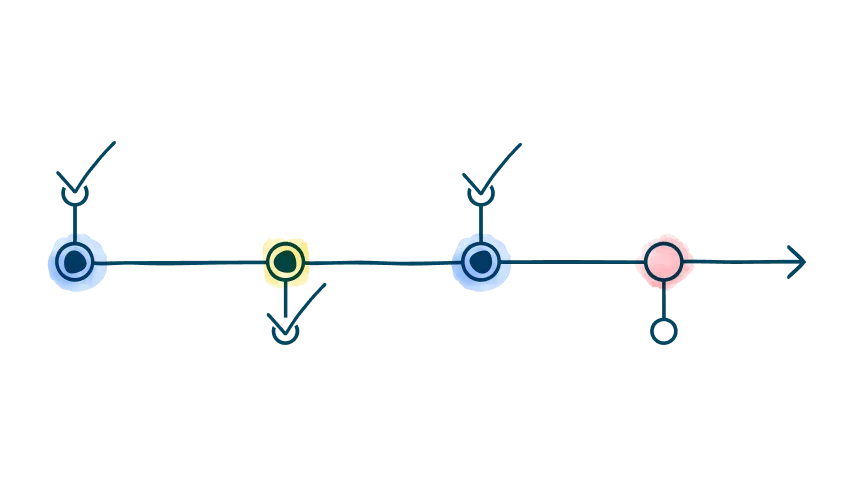
How your kidney is monitored after transplant
Understand how regular testing helps your care team monitor kidney function and look for early signs of injury or rejection.
Madsen AT, Hojbjerg JA, Sorensen BS, Winther-Larsen A. Day-to-day and within-day biological variation of cell-free DNA. EBioMedicine. 2019 Nov 21;49:284–90.
Celec P, Vlková B, Lauková L, Bábíčková J, Boor P. Cell-free DNA: the role in pathophysiology and as a biomarker in kidney diseases. Expert Rev Mol Med. 2018 Jan 18;20(e1):e1.
Mouliere F. A hitchhiker’s guide to cell-free DNA biology. Neurooncol Adv. 2022 Nov 11;4(Suppl 2):ii6–14.
Heitzer E, Auinger L, Speicher MR. Cell-free DNA and apoptosis: How dead cells inform about the living. Trends Mol Med. 2020 May 1;26(5):519–28.
Grabuschnig S, Bronkhorst AJ, Holdenrieder S, Rosales Rodriguez I, Schliep KP, Schwendenwein D, et al. Putative origins of cell-free DNA in humans: A review of active and passive nucleic acid release mechanisms. Int J Mol Sci. 2020 Oct 29;21(21):E8062.
Zhang M, Cai Y, Zhong X, Liu W, Lin Y, Qiu Z, et al. Effects of cell-free DNA on kidney disease and intervention strategies. Front Pharmacol. 2024 May 21;15:1377874.
Oellerich M, Budde K, Osmanodja B, Bornemann-Kolatzki K, Beck J, Schütz E, et al. Donor-derived cell-free DNA as a diagnostic tool in transplantation. Front Genet. 2022 Oct 21;13:1031894.
Bromberg JS, Brennan DC, Taber DJ, Cooper M, Anand S, Akalin E, et al. Donor-derived cell-free DNA significantly improves rejection yield in kidney transplant biopsies. Am J Transplant. 2025 Dec 1;25(12):2529–42.
Ma X, Zhu L, Wu X, Bao H, Wang X, Chang Z, et al. Cell-free DNA provides a good representation of the tumor genome despite its biased fragmentation patterns. PLoS One. 2017 Jan 3;12(1):e0169231.
Seeto RK, Fleming JN, Dholakia S, Dale BL. Understanding and using AlloSure donor derived cell-free DNA. Biophys Rev. 2020 Aug 18;12(4):917–24.
Löwy I. Non-invasive prenatal testing: A diagnostic innovation shaped by commercial interests and the regulation conundrum. Soc Sci Med. 2022 Jul 1;304(113064):113064.
Leung F, Kulasingam V, Diamandis EP, Hoon DSB, Kinzler K, Pantel K, et al. Circulating tumor DNA as a cancer biomarker: Fact or fiction? Clin Chem. 2016 Aug 3;62(8):1054–60.
Solomon B. Cell-Free DNA Testing. Genome.gov.
Pai A, Swan JT, Wojciechowski D, Qazi Y, Dholakia S, Shekhtman G, et al. Clinical rationale for a routine testing schedule using donor-derived cell-free DNA after kidney transplantation. Ann Transplant. 2021 Jul 2;26:e932249.
CareDx is committed to providing scientifically supported educational content for transplant recipients and caregivers. All content is for educational purposes only and is not intended to serve as medical advice or replace guidance from your healthcare provider. Always seek the advice of your transplant team with any questions you may have regarding your specific medical condition.