What Are the Signs And Symptoms of Kidney Transplant Rejection?
Learn the signs of kidney transplant rejection, possible warning symptoms, and why regular monitoring can help catch problems early—even when you feel well.


Medically reviewed by Shree H. Patel, PharmD, BCPS
Last updated: October 14, 2026
Medically reviewed by Shree H. Patel, PharmD, BCPS
Last updated: October 14, 2026

After a kidney transplant, your immune system may see the new kidney as something foreign and try to attack it. This is called rejection. Knowing the early signs of rejection after kidney transplant can help protect your health and support the long-term success of your transplant.
While kidney transplant rejection symptoms are sometimes physical and require immediate medical attention, many people have no symptoms at first—which is why regular monitoring and blood work are so important.
Key signs and symptoms of kidney transplant rejection1–4
The signs and symptoms of kidney transplant rejection can vary depending on the type of rejection and how early it is found. Some symptoms may come on quickly, while others are more gradual. Knowing the signs of a kidney transplant rejection can help you seek care early if treatment is needed.
Common kidney transplant rejection symptoms may include:
Fever
A sudden or noticeable decrease in urination (needing to pee)
Rapid weight gain
Tenderness or pain over the transplant area
Flu-like symptoms, such as chills, nausea, vomiting, diarrhea, body aches, or headache
Feeling very tired (fatigue)
Swelling in the hands, feet, ankles, or legs
If you notice any of these signs of kidney rejection after transplant, contact your transplant care team promptly. Early treatment can help protect your kidney health.
Is diarrhea a sign of kidney transplant rejection?5
Diarrhea is not usually one of the main kidney transplant rejection symptoms. However, ongoing diarrhea or stomach upset can make it harder for your body to absorb your anti-rejection medications properly.
If medicine levels become too low, your immune system may be more likely to attack the transplanted kidney. Any significant or persistent diarrhea should be reported to your transplant team right away so they can check your medication levels and make changes if needed.
Spotting the early (acute) signs of kidney transplant rejection2,4
Early signs of kidney transplant rejection most often happen within the first 3 to 6 months after surgery. In some cases, rejection can happen within minutes or hours, but it is more common in the first few days to months.

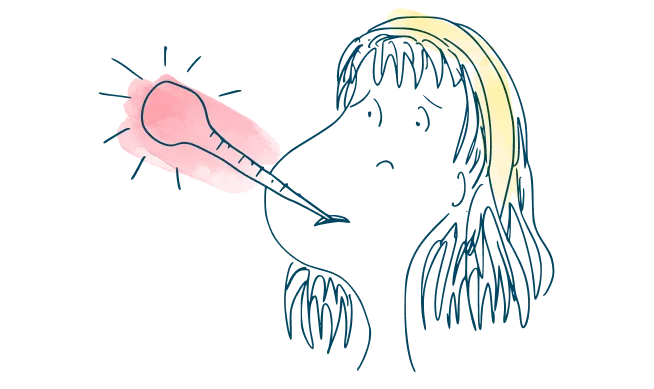
These acute kidney transplant rejection symptoms may come on more suddenly and can include:
Sometimes the earliest warning is found on blood tests before you notice physical symptoms. Some tests, including donor-derived cell-free DNA (dd-cfDNA) tests like AlloSure, may help detect early stages of kidney injury or rejection by measuring DNA from the transplanted kidney in your bloodstream. This is why lab work and follow-up visits are such an important part of care after transplant.
Late (chronic) signs of late kidney transplant rejection2,3,6
Chronic kidney transplant rejection symptoms usually develop slowly over months or years. This means the signs of kidney transplant rejection after 2 years or later may be more gradual and harder to notice at first.
Instead of sudden symptoms, people may notice:
Changes in kidney function on blood tests
Higher protein levels in the urine
High blood pressure
Swelling in the ankles, feet, hands, or legs
Feeling more tired than usual
Because these changes can be subtle, chronic rejection is often found through regular check-ups and blood or urine tests. Ongoing monitoring is important because problems can develop silently over time.


When kidney transplant rejection has no symptoms2,7
Many episodes of kidney transplant rejection do not cause symptoms, especially early on. This is called asymptomatic rejection. In many cases, rejection is first found through routine blood work, urine tests, or changes in blood pressure before you notice anything yourself.
A rise in serum creatinine (a blood test that helps show how well your kidney is filtering waste) can be one of the first early signs of kidney transplant rejection, even when you feel fine. This is why regular monitoring is one of the best ways to help protect your kidney over time.
Donor-derived cell-free DNA (cfDNA) tests like AlloSure can provide an earlier warning of transplant injury or rejection, sometimes up to 3 months before other methods.


How doctors confirm kidney transplant rejection2,8,9
If there are signs of kidney transplant rejection after transplant, your doctor may recommend more testing to understand what is happening.
One common test is a kidney biopsy. This means taking a small sample of kidney tissue to look under a microscope. It can help show the type of rejection, which is important because treatment can differ depending on the cause.
Doctors also use other tools to monitor transplant health. Serum creatinine is a blood test that helps show how well the kidney is filtering waste, although levels may rise only after some damage has already happened. Donor-derived cell-free DNA (cfDNA) tests like AlloSure can provide an earlier warning of transplant injury or rejection, sometimes up to 3 months before other methods. Combined, these tests may help detect injury or rejection earlier, sometimes before creatinine levels change.
How do you look after a transplanted kidney?10–12
After a kidney transplant, blood tests are important to help catch signs of kidney rejection after transplant early.
Your transplant team may ask you to:
Check your temperature every day
Record your blood pressure regularly
Weigh yourself each morning after using the toilet
Along with taking your medications on schedule and attending follow-up visits and lab appointments—these small daily steps can make a big difference in protecting your transplant over time.
Learn more about rejection testing and treatment

What is HLA typing?
Understand how HLA testing and matching work, and why a perfect match isn’t always required.

What is cell-free DNA (cfDNA)
Understand how dd-cfDNA testing works and how it can support transplant monitoring.

Understanding kidney transplant rejection medications
Learn about anti-rejection medications, common side effects, and how to manage them in daily life.
Tamargo CL, Kant S. Pathophysiology of rejection in kidney transplantation. J Clin Med. 2023 Jun 19;12(12):4130.
Naik RH, Hassanein M, Shawar SH. Acute renal transplantation rejection. In: StatPearls. Treasure Island (FL): StatPearls Publishing; 2026.
Hassanein M, Elfadawy N, Kapp M, Augustine JJ. Chronic kidney transplant rejection. In: StatPearls. Treasure Island (FL): StatPearls Publishing; 2026.
Justiz Vaillant AA, Misra S, Fitzgerald BM. Acute transplantation rejection. StatPearls Publishing, Treasure Island; 2025.
Patil AD, Saxena NG, Thakare SB, Pajai AE, Bajpai D, Jamale TE. Diarrhea after kidney transplantation: A study of risk factors and outcomes. J Postgrad Med. 2023 Oct 5;69(4):205–14.
Diebold M, Mayer KA, Hidalgo L, Kozakowski N, Budde K, Böhmig GA. Chronic rejection after kidney transplantation. Transplantation. 2025 Apr 1;109(4):610–21.
Clayton PA, Lim WH, Wong G, Chadban SJ. Relationship between eGFR decline and hard outcomes after kidney transplants. J Am Soc Nephrol. 2016 Nov 8;27(11):3440–6.
Bloom RD, Bromberg JS, Poggio ED, Bunnapradist S, Langone AJ, Sood P, et al. Cell-free DNA and active rejection in kidney allografts. J Am Soc Nephrol. 2017 Jul;28(7):2221–32.
Malhotra D, Jethwani P. Preventing rejection of the kidney transplant. J Clin Med. 2023 Sep 13;12(18):5938.
Gandolfini I, Palmisano A, Fiaccadori E, Cravedi P, Maggiore U. Detecting, preventing and treating non-adherence to immunosuppression after kidney transplantation. Clin Kidney J. 2022 Jul 14;15(7):1253–74.
Baker RJ, Mark PB, Patel RK, Stevens KK, Palmer N. Post-operative care in the kidney transplant recipient. Renal Association; 2017.
Taking care of yourself after a kidney transplant. Sanford Health.
CareDx is committed to providing scientifically supported educational content for transplant recipients and caregivers. All content is for educational purposes only and is not intended to serve as medical advice or replace guidance from your healthcare provider. Always seek the advice of your transplant team with any questions you may have regarding your specific medical condition.